

Brief Auto du Jour : Ford vise le niveau 3 d'ici 2028, le Ford Ranger réécrit l'histoire des ventes en Australie, Porsche freine, et Wrangler laisse entrevoir un retour au Royaume-Uni
J'ai passé la nuit à jongler entre les e-mails d'ingénieurs et quelques messages directs de propriétaires, et l'ambiance est indéniable : moins de fierté, plus de pragmatisme. Les logiciels mûrissent, les stratégies sont recalibrées, et les acheteurs—silencieusement, obstinément—votent avec leur portefeuille. Exemple : le Ford Ranger qui vole la couronne des ventes australiennes. Voici le lot, et pourquoi cela pourrait changer ce qui est garé dans votre allée.
L'autonomie devient réelle : Ford cible le niveau 3 pour 2028
Ford se prépare à offrir une capacité « yeux-off » de niveau 3 d'ici 2028. Les systèmes d'aujourd'hui ? Des copilotes incroyables. J'ai parcouru des milliers de kilomètres sur autoroute avec des assistants de style BlueCruise—centrage de voie, maintien de distance, tout le package—mais vous êtes toujours l'adulte dans la pièce. Le niveau 3 modifie le contrat : dans des conditions strictement définies, la voiture prend la responsabilité légale, et vous pouvez détendre vos épaules et… respirer.
Lors d'une démonstration en usine l'automne dernier, j'ai essayé un système rival dans un embouteillage sur autoroute. La réduction de la fatigue était évidente. Le hic (il y en a toujours un) est la géographie et la discipline : zones d'opération claires, passes de relais soignées, et zéro rêverie lorsque la voiture vous demande de revenir. Répondez à l'appel, rapidement.
| Quoi | Niveau 2 | Niveau 2+ | Niveau 3 |
|---|---|---|---|
| Mains sur le volant | Souvent requis | Souvent mains libres, toujours supervisé | Non requis dans les limites du système |
| Yeux sur la route | Toujours | Toujours (surveillance par caméra) | Non requis dans les limites du système |
| Responsabilité légale | Conducteur | Conducteur | Système (lorsqu'il est actif) |
| Utilisation typique | Maintien de voie + régulateur de vitesse adaptatif | Mains libres sur autoroutes cartographiées | Yeux libres dans des zones de trafic/autoroute cartographiées |
- Objectif de Ford : niveau 3 d'ici 2028 sur des routes sélectionnées, dans des fenêtres météo/traffic spécifiques.
- Victoire dans la vie réelle : les embouteillages stop-start demandent moins de concentration ; vous arrivez moins fatigué.
- Vérification de la réalité : la géorepérage et les prises de relais propres sont non négociables.
Le grand changement en Australie : le Ford Ranger prend la couronne

Le Ford Ranger vient de réaliser ce qu'aucun Oval Bleu n'a réussi en Australie depuis la fin des années 80 : il a terminé l'année en tête. Honnêtement, je ne suis pas surpris. Lors de ma semaine avec un Ranger XLT diesel V6 l'hiver dernier, il a transporté deux VTT boueux, a fait face à des gravillons ondulés, puis s'est installé dans une croisière silencieuse à 110 km/h sur un bitume à gros gravier. On a l'impression que c'est l'utilitaire que l'on peut utiliser du lundi au vendredi et qui reste séduisant pour une sortie le soir.
Les moteurs aident. Le diesel bi-turbo de 2,0 litres (environ 154 kW/500 Nm) est le choix raisonnable ; le diesel V6 de 3,0 litres (environ 184 kW/600 Nm) est celui que vous désirez secrètement. Les deux tracteront 3 500 kg, consomment beaucoup moins que les anciens camions V8 avec lesquels nous avons grandi, et ont des habitacles qui semblent enfin appartenir à une voiture familiale moderne—CarPlay sans fil, sièges décents, rangement adéquat. Ce n'est pas parfait—l'écran en portrait peut être délicat en mouvement, et le hayon semble lourd si vous venez de manipuler une poussette—mais en tant que solution unique, c'est parfait.
Pourquoi le Ford Ranger a pris de l'avance
- Calibration : direction et conduite qui se rapprochent de celles d'une voiture, même avec des pneus robustes.
- Utilité : capacité de remorquage de 3,5 tonnes, astuces de bac, et accessoires pratiques.
- Technologie qui reste : aides à la conduite qui ne nagent pas constamment et infotainment qui démarre rapidement.
Ford Ranger vs concurrents : aperçu rapide des spécifications (Australie)
| Modèle | Puissance maximale | Couple maximal | Remorquage max | Notes |
|---|---|---|---|---|
| Ford Ranger V6 diesel | ~184 kW | ~600 Nm | 3,500 kg | Manières calmes sur autoroute ; poussée forte à bas régime |
| Toyota HiLux 2.8 diesel (auto) | ~150 kW | ~500 Nm | 3,500 kg | Revente solide ; conduite plus ferme à vide |
| Isuzu D-Max 3.0 diesel | ~140 kW | ~450 Nm | 3,500 kg | Excellente valeur et garantie ; plus silencieux depuis la mise à jour |
Les spécifications varient selon la finition et le marché ; vérifiez toujours la variante exacte que vous achetez.
Au-delà du Ford Ranger : la montée en puissance de la Chine et le pragmatisme des PHEV

Regardez plus loin et l'intrigue s'épaissit. La Chine est désormais la deuxième plus grande source de voitures neuves en Australie. Parcourez n'importe quelle rangée de showroom suburbain et vous comprendrez pourquoi : prix compétitifs, longues garanties, et fiches techniques qui embarrassent les rivaux plus radins. Les acheteurs qui auparavant n'auraient jamais touché un badge inconnu testent maintenant des SUV urbains et des EV à bon rapport qualité-prix avec un esprit ouvert. Ce n'est pas seulement une question de prix—c'est aussi des fonctionnalités et, de plus en plus, de qualité.
Les hybrides rechargeables ? Toujours le point idéal pour les ménages pas prêts à passer entièrement à l'EV. Le classement 2025 est encombré de crossovers familiaux offrant de véritables autonomies électriques de 40 à 80 km. Des trajets scolaires sur électrons toute la semaine ; Byron Bay en essence sans se soucier des chargeurs rapides. Quelques propriétaires m'ont dit que deux choses comptent le plus : une routine de charge à domicile sans douleur et un habitacle qui ne ressemble pas à celui où les comptables ont gagné le débat. La dernière fournée réussit les deux.
- La victoire du Ford Ranger met en lumière l'amour de l'Australie pour les utilitaires à double usage.
- Les modèles fabriqués en Chine montent en valeur, en équipement, et en raffinement.
- Les PHEV restent le pont intelligent pour des modèles de conduite mixtes.
Augmentation des vols de Toyota incite à des mesures de sécurité renforcées

Toyota renforce sa gamme après une vague de vols ciblant les systèmes sans clé. Attendez-vous à des mouvements logiciels et matériels : immobilisateurs plus robustes, authentification de clé plus intelligente, meilleur blindage pour les électroniques vulnérables, et kits de retrofit pour les modèles à fort volume. Jusqu'à ce que votre mise à jour arrive, des habitudes simples aident. J'utilise toujours un verrou de direction lorsque je laisse une voiture de presse dans une rue sombre—low-tech, haute dissuasion—et quelques propriétaires jurent par des pochettes anti-signaux pour les clés à la maison.
Porsche ralentit sur la pédale EV

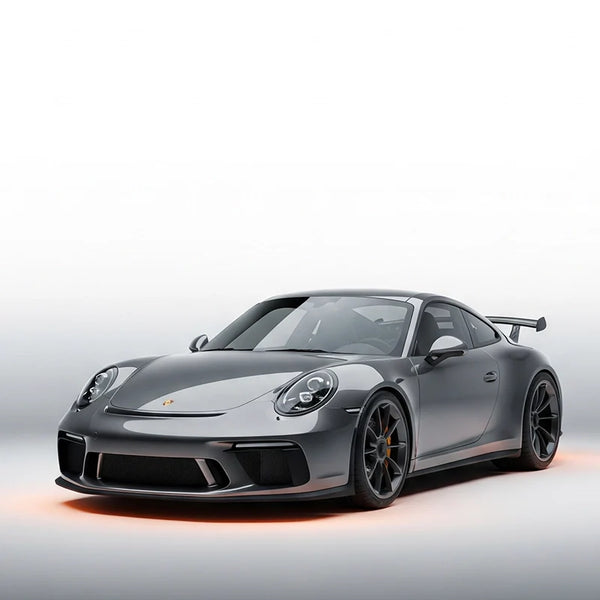
Porsche a admis qu'elle avait un peu trop poussé vers un avenir uniquement électrique et se recalibre. Cela a du sens. La Taycan est explosive quand vous la libérez, mais les clients aiment toujours l'âme d'une 911 et l'équilibre d'un bon hybride. Lisez les feuilles de thé : plus d'EV là où elles brillent, mais pas de marche forcée. Attendez-vous à ce que des hybrides performants et des icônes à combustion coexistent encore un certain temps.
Voiture mondiale de l'année 2026 : les finalistes sont connus
Les listes de présélection sont tombées dans les catégories habituelles (général, EV, performance, luxe, urbain). La tendance est partout où vous regardez : l'électrification comme base, avec la fluidité logicielle soudainement aussi importante que la qualité de conduite. Je vais surveiller si les jurés récompensent une UX soignée plutôt qu'un raffinement à l'ancienne cette année.
Whispers de Wrangler : retour au Royaume-Uni en vue
Le Jeep Wrangler semble prêt à revenir discrètement au Royaume-Uni une fois que les réglementations et le rythme des produits s'aligneront. Ne vous attendez pas à ce que cela arrive demain—et attendez-vous à des versions électrifiées. Après un week-end humide dans un cabriolet au Pays de Galles il y a quelques années, ma seule demande : donnez-lui un chauffage qui fonctionne et des essuie-glaces avec des abonnements à la salle de sport.
Contre la marée des SUV : les berlines Cadillac montent
Surprise : les berlines Cadillac sont en hausse. Un style plus affûté, une technologie qui semble enfin actuelle, et l'aura de ces voitures V-series débridées aident. Je suis encore interrogé aux stations-service quand je suis dans une manuelle suralimentée—certaines personnes veulent juste une voiture de conducteur avec un coffre, pas un autre crossover à face de falaise.
Le « Cybercab » de Tesla rencontre un obstacle de nommage
Tesla aurait investi dans le branding « Cybercab » pour son effort de robotaxi, seulement pour découvrir que le chemin de la marque… est compliqué. Un rappel que l'avenir n'est pas seulement des batteries et des puces—c'est aussi des avocats spécialisés en propriété intellectuelle et des dates de dépôt. Les voitures viendront ; les noms pourraient prendre du retard.
Un chargeur EV conçu pour les stations-service
Un nouveau concept de chargeur astucieux vise directement les stations-service existantes : armoires compactes, voies modulaires, et buffers de batterie optionnels pour gérer les pics de charge. Après une nuit proche de l'engelure à attendre une tempête dans le Wyoming avec une seule unité solitaire, je prendrai tout ce qui ajoute de la redondance, de l'éclairage, du café, et des toilettes propres. Mettez l'énergie EV là où les conducteurs s'arrêtent déjà—ce n'est pas de la science-fusée.
Pourquoi cela compte
- Petite empreinte qui fonctionne dans les stations-service que nous utilisons déjà.
- Le buffering de batterie peut réduire les frais de demande et faciliter les mises à niveau du réseau.
- Les configurations modulaires évoluent à mesure que le trafic EV augmente.
Réactions rapides
- L'autonomie avance : le niveau 3 de Ford d'ici 2028 met « yeux-off » à portée de main.
- Le Ford Ranger règne en Australie : l'ère de la voiture familiale à double cabine continue.
- La sécurité réagit : Toyota déploie des solutions anti-vol en couches.
- Stratégie, pas slogans : Porsche mélange EV avec hybride/ICE ; Jeep joue la longue game au Royaume-Uni.
Instantané du marché australien—trois tendances à surveiller
| Tendance | Instantané 2025–2026 | Ce que cela signifie pour les acheteurs |
|---|---|---|
| Ford Ranger en tête | Premier Ford à diriger les ventes nationales en ~37 ans | Les utilitaires avec confort et sécurité de voiture sont le transport familial par défaut |
| La Chine comme source clé | Deuxième plus grande source de véhicules neufs | Plus de choix et meilleure valeur, surtout pour les petits SUV et EV |
| Pragmatisme des PHEV | Les crossovers familiaux dominent les classements des PHEV | Électrique en semaine, week-ends de road trip—sans anxiété de charge |
Conclusion : le titre du Ford Ranger et la vue d'ensemble
Les histoires du jour riment : le pragmatisme l'emporte sur la pureté. Le chemin prudent de Ford vers le niveau 3, l'avenir hybride de Porsche, la sécurité en couches de Toyota, et la victoire du Ford Ranger en Australie pointent tous vers une chose—le choix. Si vos semaines ont besoin d'un calme « yeux-off », vos week-ends exigent un bac et une faible portée, ou votre conscience préfère une prise, vous n'avez jamais eu mieux. Et oui, le moment du Ford Ranger au sommet ne semble pas être un incident ; cela ressemble à la nouvelle norme.
FAQ
-
Quelle est la différence entre la conduite de niveau 2 et de niveau 3 ?
Le niveau 2 aide à la direction et à la vitesse mais vous êtes responsable et devez surveiller la route. Le niveau 3, dans des zones et conditions définies, permet les yeux libres et transfère la responsabilité légale au système pendant qu'il est engagé. -
Le Ford Ranger a-t-il vraiment dominé les ventes en Australie ?
Oui—le Ranger a terminé l'année en tant que meilleur vendeur d'Australie, le premier Ford à le faire depuis la fin des années 80. -
Quel moteur de Ford Ranger devrais-je considérer ?
Le diesel bi-turbo de 2,0 litres est efficace et capable ; le diesel V6 de 3,0 litres offre une facilité de remorquage supplémentaire et une conduite détendue. Choisissez en fonction des besoins de charge/remorquage et du budget. -
Pourquoi les voitures fabriquées en Chine gagnent-elles en Australie ?
Des prix compétitifs, de longues garanties, et des caractéristiques généreuses—surtout dans les petits SUV et EV—attirent les acheteurs qui n'auraient peut-être pas envisagé cela il y a cinq ans. -
Comment Toyota contrecarre les méthodes de vol modernes ?
Avec des mises à jour logicielles, des immobilisateurs plus robustes, une authentification de clé plus intelligente, et des kits de retrofit—plus des conseils aux propriétaires comme des pochettes pour clés et des dispositifs de dissuasion physiques.
Premium Accessories for Mentioned Vehicles
Custom-fit floor mats and accessories for the cars in this article