

Today’s Auto Brief: Ford aims Level 3 by 2028, Ford Ranger rewrites Aussie sales history, Porsche taps the brakes, and Wrangler hints at a UK return
I spent last night bouncing between engineers’ emails and a couple of owners’ DMs, and the vibe is unmistakable: less swagger, more pragmatism. Software’s maturing, strategies are being recalibrated, and buyers—quietly, stubbornly—are voting with their wallets. Case in point: the Ford Ranger stealing the Australian sales crown. Here’s the lot, and why it might change what’s parked in your driveway.
Autonomy gets real: Ford targets Level 3 for 2028
Ford is lining up Level 3 “eyes-off” capability by 2028. Today’s systems? Amazing copilots. I’ve run thousands of highway miles on BlueCruise-style assistants—lane centring, distance keeping, the whole bag—but you’re still the adult in the room. Level 3 tweaks the contract: in tightly defined conditions, the car takes legal responsibility, and you can unclench your shoulders and… breathe.
On a factory demo last fall, I tried a rival system in a congested motorway crawl. The reduction in fatigue was obvious. The catch (there’s always one) is geography and discipline: clear operating zones, tidy handovers, and zero daydreaming when the car asks for you back. Answer the call, quickly.
| What | Level 2 | Level 2+ | Level 3 |
|---|---|---|---|
| Hands on wheel | Usually required | Often hands‑off, still supervised | Not required inside system limits |
| Eyes on road | Always | Always (camera-monitored) | Not required inside system limits |
| Legal responsibility | Driver | Driver | System (while active) |
| Typical use | Lane keep + adaptive cruise | Hands‑off on mapped highways | Eyes‑off in mapped traffic/highway zones |
- Ford’s target: Level 3 by 2028 on select roads, in specific weather/traffic windows.
- Real-life win: stop‑start jams demand less brainpower; you arrive less knackered.
- Reality check: geofencing and clean takeovers are non‑negotiable.
Australia’s big switch: Ford Ranger takes the crown

The Ford Ranger just did what no Blue Oval has pulled off in Australia since the late ’80s: it finished the year on top. Honestly, I’m not shocked. In my week with a V6-diesel Ranger XLT last winter, it carted two muddy mountain bikes, shrugged at corrugated gravel, and then settled into a whispery 110 km/h cruise on coarse-chip tarmac. It feels like the ute you can use Monday to Friday and still fancy for a night out.
The engines help. The 2.0‑litre bi‑turbo diesel (around 154 kW/500 Nm) is the sensible one; the 3.0‑litre V6 diesel (about 184 kW/600 Nm) is the one you quietly want. Both tow 3,500 kg, both sip far less than the old V8 trucks we grew up with, and both have cabins that finally feel like they belong in a modern family car—wireless CarPlay, decent seats, proper storage. It’s not perfect—the portrait screen can be fiddly on the move, and the tailgate feels heavy if you’ve just wrangled a pram—but as a one‑car solution, it’s bang on.
Why the Ford Ranger pulled ahead
- Calibration: steering and ride that feel car‑like, even on chunky tyres.
- Usefulness: 3.5‑tonne tow rating, tub tricks, and practical accessories.
- Tech that sticks: driver aids that don’t nag constantly and infotainment that boots fast.
Ford Ranger vs rivals: quick spec snapshot (Australia)
| Model | Peak Power | Peak Torque | Max Tow | Notes |
|---|---|---|---|---|
| Ford Ranger V6 diesel | ~184 kW | ~600 Nm | 3,500 kg | Calm highway manners; strong low‑down shove |
| Toyota HiLux 2.8 diesel (auto) | ~150 kW | ~500 Nm | 3,500 kg | Rock‑solid resale; firmer ride unladen |
| Isuzu D‑Max 3.0 diesel | ~140 kW | ~450 Nm | 3,500 kg | Great value and warranty; quieter since the update |
Specs vary by trim and market; always check the exact variant you’re buying.
Beyond the Ford Ranger: China’s surge and PHEV pragmatism

Zoom out and the plot thickens. China is now Australia’s second‑largest source of new cars. Walk any suburban showroom row and you’ll see why: sharp pricing, lengthy warranties, and spec sheets that embarrass stingier rivals. Shoppers who once wouldn’t touch an unknown badge are now test‑driving city SUVs and value‑packed EVs with open minds. It’s not just price—it’s features and, increasingly, quality.
Plug‑in hybrids? Still the sweet spot for households not ready to go full EV. The 2025 leaderboard is crowded with family crossovers offering genuine 40–80 km electric ranges. School runs on electrons all week; Byron Bay on petrol without homework about fast chargers. A few owners told me two things matter most: a painless home charging routine and a cabin that doesn’t feel like the accountants won the argument. The latest batch nails both.
- Ford Ranger’s win highlights Australia’s love affair with dual‑purpose utes.
- Chinese-built models are rising on value, kit, and improving refinement.
- PHEVs remain the smart bridge for mixed driving patterns.
Toyota theft spike prompts tougher security

Toyota is hardening its line‑up after a wave of thefts targeting keyless systems. Expect software and hardware moves: beefier immobilizers, smarter key authentication, better shielding for vulnerable electronics, and retrofit kits for high‑volume models. Until your update lands, simple habits help. I still use a steering lock when I leave a press car on a dim street—low‑tech, high deterrence—and a few owners swear by signal‑blocking pouches for keys at home.
Porsche eases off the all‑EV pedal

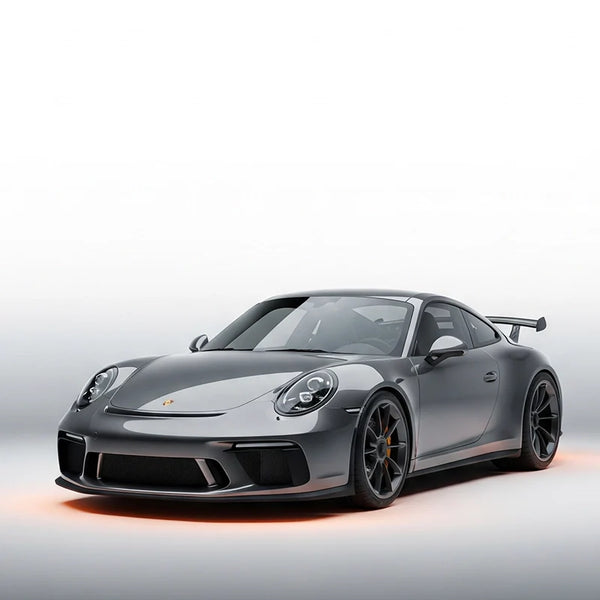
Porsche has admitted it leaned a bit too hard into an electric‑only future and is recalibrating. Makes sense. The Taycan is ballistic when you uncork it, but customers still love the soul of a 911 and the balance of a good hybrid. Read the tea leaves: more EVs where they sing, but no forced march. Expect performance hybrids and combustion icons to coexist for a while yet.
2026 World Car of the Year: finalists are in
Shortlists have landed across the usual categories (overall, EV, performance, luxury, urban). The trend is everywhere you look: electrification as the baseline, with software slickness suddenly as important as ride quality. I’ll be watching whether jurors reward polished UX over old‑school refinement this year.
Wrangler whispers: UK return on the cards
The Jeep Wrangler looks set to tiptoe back into the UK once regs and product cadence align. Don’t expect it tomorrow—and expect electrified flavours. After a soggy weekend in a soft‑top in Wales a few years back, my only request: give it a heater that means business and wipers with gym memberships.
Against the SUV tide: Cadillac sedans tick upward
Surprise: Cadillac sedans are climbing. Sharper styling, tech that finally feels current, and the halo of those unhinged V‑series cars help. I still get quizzed at fuel stations when I’m in a supercharged manual—some folks just want a driver’s car with a trunk, not another cliff‑faced crossover.
Tesla’s “Cybercab” meets a naming roadblock
Tesla reportedly poured coin into “Cybercab” branding for its robotaxi effort, only to find the trademark path… complicated. A reminder that the future isn’t just batteries and chips—it’s also IP lawyers and filing dates. The cars will come; the names might lag.
An EV charger built for petrol forecourts
One clever new charger concept aims squarely at existing gas stations: compact cabinets, modular lanes, and optional battery buffers to tame peak loads. After a frostbite‑adjacent night waiting out a storm in Wyoming with a single lonely unit, I’ll take anything that adds redundancy, lighting, coffee, and a clean loo. Put EV energy where drivers already stop—it’s not rocket science.
Why this one matters
- Small footprint works at service stations we already use.
- Battery buffering can cut demand charges and ease grid upgrades.
- Modular setups scale as EV traffic grows.
Quick takes
- Autonomy inches forward: Ford’s Level 3 by 2028 puts “eyes‑off” within reach.
- Ford Ranger rules in Australia: the dual‑cab family car era continues.
- Security bites back: Toyota’s rolling out layered anti‑theft fixes.
- Strategy, not slogans: Porsche blends EV with hybrid/ICE; Jeep plays the long game in the UK.
Australia market snapshot—three trends to watch
| Trend | 2025–2026 Snapshot | What it means for buyers |
|---|---|---|
| Ford Ranger on top | First Ford to lead national sales in ~37 years | Utes with car‑like comfort and safety are the default family hauler |
| China as a key source | Second‑largest source of new vehicles | More choice and better value, especially small SUVs and EVs |
| PHEV practicality | Family crossovers dominate PHEV charts | Electric weekdays, road‑trip weekends—no charging anxiety |
Conclusion: the Ford Ranger headline and the bigger picture
The day’s stories rhyme: pragmatism beats purity. Ford’s cautious path to Level 3, Porsche’s blended powertrain future, Toyota’s layered security, and the Ford Ranger winning Australia all point to one thing—choice. If your weekdays need eyes‑off calm, your weekends demand a tub and low range, or your conscience prefers a plug, you’ve never had it better. And yes, the Ford Ranger’s moment at the top doesn’t feel like a blip; it feels like the new normal.
FAQ
-
What’s the difference between Level 2 and Level 3 driving?
Level 2 assists with steering and speed but you’re responsible and must watch the road. Level 3, in defined zones and conditions, allows eyes‑off and shifts legal responsibility to the system while it’s engaged. -
Did the Ford Ranger really top Australia’s sales?
Yes—Ranger finished the year as Australia’s best‑seller, the first Ford to do so since the late ’80s. -
Which Ford Ranger engine should I consider?
The 2.0 bi‑turbo diesel is efficient and capable; the 3.0 V6 diesel delivers extra towing ease and relaxed cruising. Pick based on payload/towing needs and budget. -
Why are Chinese‑built cars gaining in Australia?
Competitive pricing, long warranties, and generous standard features—especially in small SUVs and EVs—are drawing shoppers who might not have considered them five years ago. -
How is Toyota countering modern theft methods?
With software updates, stronger immobilizers, smarter key authentication, and retrofit kits—plus owner guidance like key pouches and physical deterrents.
Premium Accessories for Mentioned Vehicles
Custom-fit floor mats and accessories for the cars in this article